「生態旅遊只能當副業,不能當主業。」林晏州直接卻中肯的闡述生態旅遊的意涵…… 經營者或周遭居民也絕不能有靠著旅遊致富的不當憧憬,要懂得把握細水長流的原則,那才是永續經營的不變法則。「慢慢吃,不會太撐,但絕不會餓死;吃太快,只會噎著,更因而讓子孫斷糧。」
the site managers and local residents must never have such an illusion that ecotourism can bring instant wealth
陳美惠覺得最難是觀念的轉變,「過去滿腦子都是拼經濟,會影響到當地環境,甚至人與人的關係」
「這些鄉村走過台灣大開發年代,但當居民看到有野生動物,有那麼美的山村、溪流,有那麼好的人情味,就要呵護她,不再殺雞取卵。」屏東科技大學森林系教授陳美惠,人稱「本土生態旅遊教母」,過去20年,她陪伴幾十個社區尋找與山林永續共存的經濟模式——從養蜂、種菇、養山雞,到開展深度生態旅遊。這些故事集結成書《里山根經濟︰社區林業的知和行20年》,記錄社區轉型的一步一腳印。 山村綠色經濟碰上疫情,也是生態旅遊的一次壓力測試。當外國人來台灣已不只是要看夜市、逛名勝,疫後的生態觀光產業如何永續下去?陳美惠和開辦生態團的旅行社業者,提到改革法規、培訓人力、改善交通配套、推廣企業員工旅遊等,都是未來機遇。 屏東科技大學森林系教授陳美惠(右)及經典雜誌副總編潘美玲(左),撰寫《里山根經濟︰社區林業的知和行20年》並舉行新書發布會。攝影︰袁慧妍 「最難是觀念的轉變」 14日,農業部林業及自然保育署與陳美惠、經典雜誌副總編輯潘美玲,舉行《里山根經濟︰社區林業的知和行20年》新書發布會。林業保育署長林華慶稱,全國很多社區都開始探索在地資源,推動社區生態旅遊,「應該讓她展現原來的美麗」。 而這個過程中,陳美惠覺得最難是觀念的轉變,「過去滿腦子都是拼經濟,會影響到當地環境,甚至人與人的關係」。 2002年,陳美惠在當時的林務局工作,研擬社區林業計畫;2004年她轉任屏科大教授,並成立台灣首間社區林業研究室。她首個輔導的生態旅遊案例,是墾丁社頂部落——1984年墾丁國家公園成立時,不少部落被劃入國家公園範圍,禁止狩獵漁撈,官民起了劇烈衝突。至2006年,陳美惠走入社頂部落,每週一兩晚與居民開會幾小時,再開兩小時夜車趕回屏東市,隔天一早回校上課,這樣的生活她過了三年,慢慢打開居民的心。 在社頂部落,陳美惠規劃了梅花鹿尋蹤和日夜生態體驗等行程,也是南台灣首個以自主營運和生態旅遊獲利的部落,2015年獲第三屆國家環境教育獎團體組首獎。 早期屏東社頂部落進行第一批的夜間觀察導覽。圖片來源︰國立屏東科技大學社區林業中心提供 這些保育與生計之間的拉扯,在輔導其他社區或部落時也同樣發生,陳美惠提了好幾次「要化解不信任感」。她利用人際網絡影響更多居民,「不要只講保育,居民沒感受,我們的主張是保全跟活用」。 這20年間,台灣除生產既有的龍眼蜜、荔枝花蜜外,社區小農也開發出花蜜、草蜜、樹蜜等森林蜜;從段木香菇菌種弱化,到打造出社區型菌種中心;在恆春里德社區,獵鷹者變成護鷹者,開拓了生態觀光的商機。這些不同的社區,從一級農業生產,二級加工,做到三級旅遊行銷。 花蓮鹽寮社區發展林下養蜂。圖片來源︰國立屏東科技大學社區林業中心提供 林華慶稱,20年來社區林業推展過程中,已執行了3371項計畫。以最近五年為例,共計970項計畫中,與林下經濟相關的「樹木與生活篇」共92件(9.5%),與生態旅遊相關的「森林育樂篇」則有226件(23.3%)。林業保育署正研擬國際認定的有效保育地(OECM)認證標準,預計明年下半年推出指引,推估有五成以上社區林業有潛力可被納入。 林下養雞。圖片來源︰國立屏東科技大學社區林業中心提供 「不願意負擔對等的價格,去反映地方的價值」 20年奠下的基礎得來不易,推展社區生態旅遊仍會面對什麼困難?又如何在疫後報復式的出國潮中走出一條路? 風尚旅行社總經理游智維12年前開始開辦部落或環境相關旅遊,他說,民眾認為城市團的價格高,以為社區旅遊的成本最低,「但這是錯的」,因為社區的材料、人力都稀少,提供服務和產品的成本更大,「可是大家不願意負擔對等的價格去反映地方的價值,這是台灣很大的問題。」 政府不同部門都有推出生態、部落、農村、文化旅遊等,但游智維覺得這些只是為了「滿足KPI」,既沒有有效投放資源,又沒法提供深度的旅遊設計;台灣大部分傳統旅行社,仍然以辦護照、買機票、報團、訂房間為主要業務,「台灣有幾千家旅行社,如果都能成為政府連接社區資源的地方,旅行社不只是中介者,未來能否成為供應者?」 農民在新書發布會上介紹產品和社區林業發展。攝影︰袁慧妍 另一家提供生態旅遊服務的原森旅行社副執行長黃俊翰則指,疫情期間成了生態旅遊的壓力測試,當人潮過多,就考驗當地居民導覽的能力。但優質的社區,還需要有資源爭取曝光,吸引旅行社注意,「例如可成立推廣協會、聯盟,參與政府單位的觀光活動」。 黃俊翰認為,一般散客會認為自行開車也可四處遊覽,散客市場較難推進,未來可考慮開拓企業團體員工旅遊市場。他也建議政府可提供交通接駁,讓不開車的民眾也可較容易接觸到社區。 「時機到了,國家應該要重視這一塊」 除一般政策改善、人力培訓、資源和預算投放外,陳美惠提議要改革法規。她指,受《發展觀光條例》第27條所限,只有旅行社可以帶團做生態旅遊,社區自行做串連型旅遊則不被允許。不過,「大部分旅行社都忙著帶出國團,沒幾多旅行社會專心經營這種產品」,故不能只靠旅行社與少數社區合作;當政府希望社區自立自強時,「有沒有法規讓社區在合法情況下,呈現地區優質的產品?」 2019年,她曾成立「社區小旅行合法化推動平台」和發起連署,倡議將社區特色小旅行、生態旅遊、農事或部落文化體驗等,以特定區域內的深度體驗為特色的地方產業,統稱為「特定地區小旅行」,並修訂發展觀光條例,新增特定地區小旅行專章,或由支持輔導特定地區小旅行的部會,如有法源依據者應修法納管(如《農村再生條例》),如無法源依據者(如文化部),應立專法或管理條例。 「外國人來台灣已不只是要看夜市、逛名勝。台灣的生態旅遊、里山,都可以為台灣觀光助力,這是一般觀光業者做不出來的。時機到了,國家應該要重視這一塊。」陳美惠說。
「要化解不信任感」
at least 228 of America’s biggest (Fortune 500) corporations — representing more than two-thirds of some 300 companies with political action committees — have given $26.3 million to election deniers during the 2021-2024 election cycles... giant corporations that announced they wouldn’t support election deniers but reversed course include FedEx, which has given the deniers $303,000 since January, 2021. Home Depot, $602,500. Johnson & Johnson, $138,000. McDonald’s, $107,000. UPS, $575,000. Verizon, $250,500. Walmart, $297,000. Wells Fargo, $244,500
They say they want to build public trust and avoid political upheaval, but they’re bankrolling election deniers
Note that these numbers show only the donations that corporations are openly disclosing — not funds they’re channeling through trade associations, super PACs, and dark money groups
And the same companies will be giving millions to the “others side” too. As my dearly departed Mother used to say, “playing both ends against the middle”
In this case, the "other side" is the United States of America
Big money has created a deep cynicism about our democracy, which Trump and election-deniers are exploiting to the hilt. Those of us who care about democracy must do more than vanquish Trumpism. We...
烏衣巷在南京秦淮河南岸,原為東吳烏衣營的駐地,故名,後為東晉時高門士族的聚居區,東晉開國元勛王導和指揮淝水之戰的謝安都住在這裏,在刘宋、南齐时期,定居于乌衣巷的琅邪王氏支系因为官位不高,门第被琅邪王氏定居于马粪巷的一支马粪诸王压倒。...
Wealth isn’t a zero-sum game in which the rich get richer only if others become poorer, but political power is zero-sum
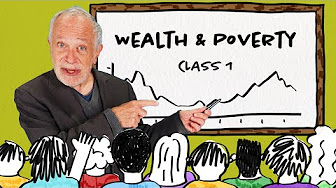
Friends, This week brings us to one of the core problems of widening inequality — the inevitability that concentrated income and wealth at the top comes with political power. Wealth isn’t a zero-sum game in which the rich get richer only if others become poorer, but political power
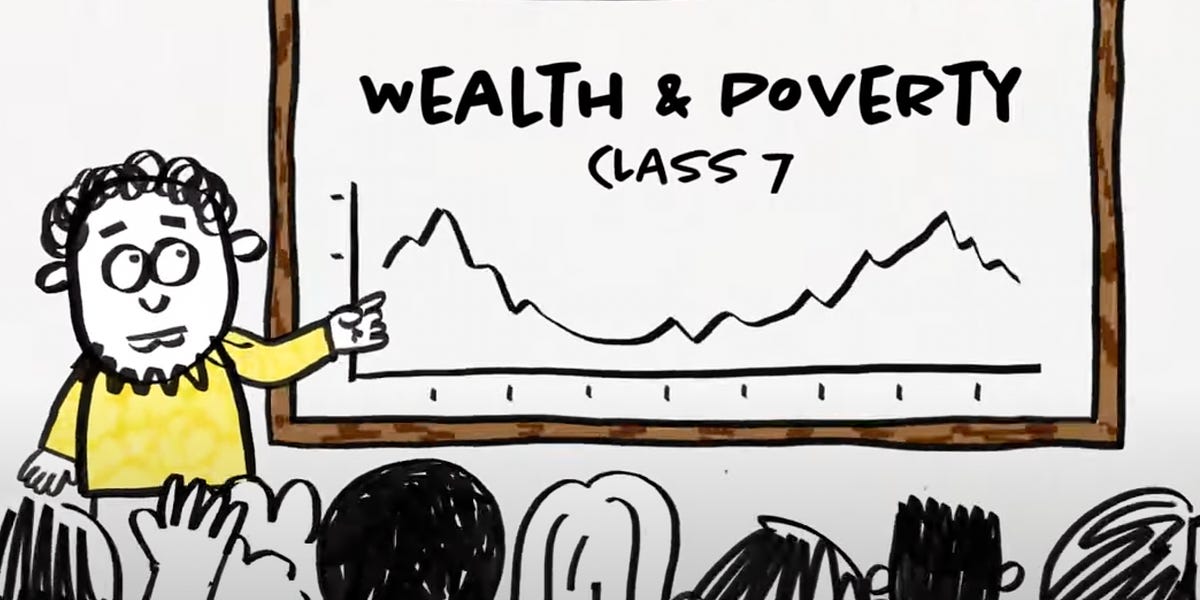
difference between “pre-distribution” and “redistribution” of income and wealth
We now turn to policies where widening inequality is directly implicated. The first and most obvious (and most politically contentious) involves taxing higher-income people and redistributing to lower-income people. My goal today is to get students to reexamine their assumptions, both about how the system of taxing and redistributing actually works (or doesn’t) and about the practical consequences.
Friends, Today I examine the morally and politically complex question of who deserves public assistance. Just click below, and you’re in the class. I reach back into history — to the 14th century, as well as to the last 40 years in America — to see how this question has been answered differently over time. And contrast the dominant view since the Clinton administration with a remarkable experiment America conducted between July and December 2021.
It’s impossible to reform our economic system without altering the allocation of political power that prevents such reform
What we must do
movement... to unite the poor, working and middle class, people of color and white people — everyone who has barely had a raise in 30 years and who now feels cynical, powerless, and disenfranchised
starting in July 2021, 36 million American families began receiving pandemic payments of up to $3,000 per child ($3,600 for each child under six).The result? Child poverty dropped by at least a third, and the typical family gained some breathing space.This hugely successful experiment ended abruptly in December 2021 when Senator Joe Manchin joined 50 Republican senators in rejecting President Biden’s Build Back Better Act, which would have continued it.They cited concerns over the experiment’s cost — an estimated $100 billion per year, or $1.6 trillion over 10 years. But that’s less than big corporations and the rich will have saved on taxes from the Trump Republican tax cut of 2018. Repeal it, and there would be enough money. The cost is also less than the increase in the wealth of America’s 745 billionaires during the pandemic. Why not a wealth tax?The experiment died because, put simply, the oligarchy didn’t want to pay for it
Capitalism is consistent with democracy when democracy is in the driver’s seat — reducing the inequalities, insecurities, joblessness, and poverty that accompany unbridled profit-seeking
OECD does collect country by country financial information. But it’s only for the very largest multinationals. Their tax truths are hidden, because it’s published in an aggregated and anonymous way, and details are only accessible to tax authorities who jump through many, many hoops. Read: most African nations do not have access.Australia shook the corporate world to its core by deciding to introduce public country by country reporting legislation: one in five companies around the globe would have had their tax truths exposed, enabling tax authorities to pore over those PDFs that had been denied to them. But the Tax Justice Network says, “the OECD may have become an outright proponent of opacity and blocker of progress, lobbying Australia to keep multinational corporations’ profit shifting behaviour out of the public eye.” The Financial Times has confirmed the OECD pressured Australia to water down rules.
You’d be forgiven if you clicked on the corporate governance structure of a multinational company and mistook the download plans for a world tour itinerary. You may find yourself starting in London on your way to Lilongwe, with layovers in Amsterdam, Road Town and Dubai, wondering how much of Virunga National Park would need saving […]
After two weeks of silence, the OECD has addressed1 its role in delaying breakthrough tax transparency legislation in Australia, which was confirmed this weekend in frontpage news by the Financial Times.2 Reports of the OECD heavily lobbying against the legislation were first brought to light by CICTAR and the Tax Justice Network.3 A statement was […]
Half a year later, EU member states are split in their response to the European Court of Justice’s decision to suspend the clause that guaranteed public access to beneficial ownership registers in the EU. Our new analysis shows that the split in responses mirror countries positions on our Financial Secrecy Index, which ranks countries on how complicit they are in helping individuals to hide their finances from the rule of law.
The holy grail for tax administrations is arguably achieving a positive
The minority of countries who voted against yesterday’s resolution for more inclusive decision-making at the UN represent 15 per cent of the global population. Those who voted for the resolution represent 80 per cent..."These numbers cut to the heart of what happened at the UN vote. The world united to fight global tax abuse together, and the small circle of countries fuelling that tax abuse tried and failed to stop them
The minority of countries who voted against plans adopted at the UN yesterday for historic global tax reforms are responsible for three-quarters of all countries’ losses to tax havens, the Tax Justice Network reports. These countries – consisting mostly of OECD member countries who almost exclusively decided global tax rules for the rest of the […]
New analysis identifies alternatives that raise greater revenues and retain sovereignty Tax specialists from the BEPS Monitoring Group, a network of leading experts from around the world who track and evaluate the process begun in 2013 by the OECD to reform global tax rules, have published a new report on the OECD’s long-delayed package of […]
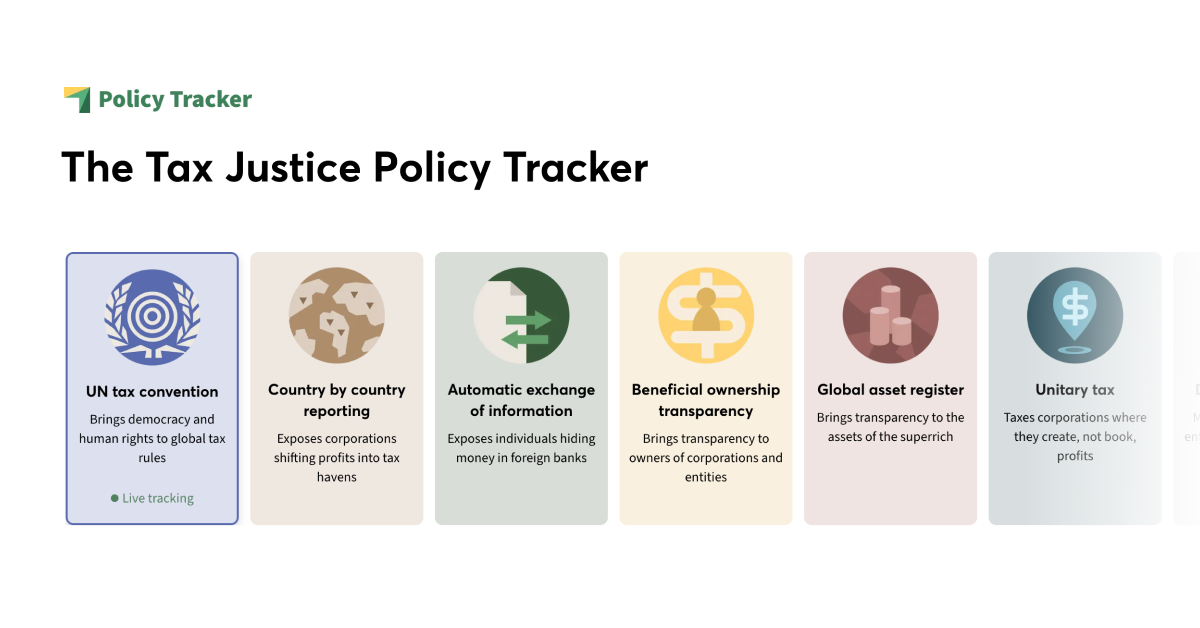
Nine policies to reprogramme our tax systems to work for everyone, not just the superrich.
"Isn't tax avoidance legal?""Has the OECD really failed - it's agreed a global minimum tax rate?""Can the UN succeed where the OECD hasn't?"These are...
Full damage done by UK dependencies Jersey, Gibraltar and Guernsey now shown We are issuing a correction to our recent State of Tax Justice 2023 report in light of a coding bug spotted by our team that had resulted in some data on 10 smaller jurisdictions being left out of the report’s total tally of […]
Lower income countries continue to be hit harder by global #taxabuse. Their tax losses ($46 billion) are equivalent to more than half (56%) of their...
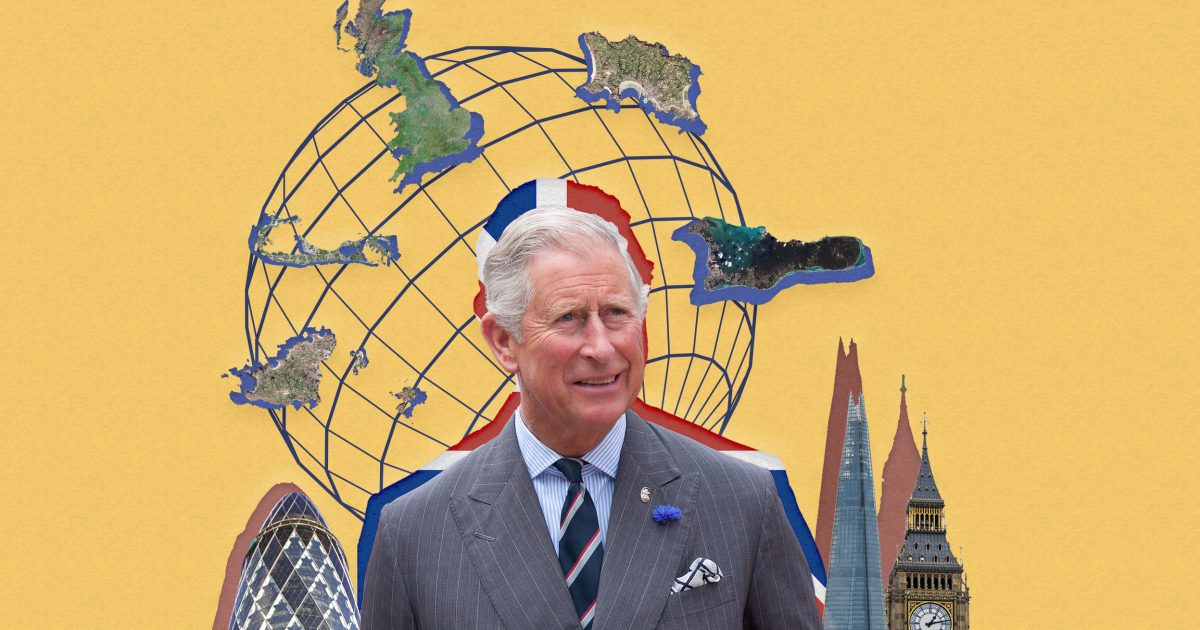
Sir, At the Tax Justice Network, we believe our tax and financial systems are our most powerful tools for creating a just society that gives equal weight to the needs of everyone. As we celebrate our twentieth anniversary this year, we note the change of era reflected by Your Majesty’s coronation. We hope this can […]
A financial activities tax (FAT) – a tax on the sum of bank profits and bankers’ remuneration packages with the proceeds going into general government revenues.
The Robin Hood tax is a package of financial transaction taxes (FTT) proposed by a campaigning group of civil society non-governmental organizations (NGOs). Campaigners have suggested the tax could be implemented globally, regionally, or unilaterally by individual nations. Conceptually similar to the Tobin tax (which was proposed for foreign...
A Tobin tax was originally defined as a tax on all spot conversions of one currency into another. It was suggested by James Tobin, an economist who won the Nobel Memorial Prize in Economic Sciences. Tobin's tax was originally intended to penalize short-term financial round-trip excursions into another currency. By the late 1990s, the term Tobin...
A financial transaction tax (FTT) is a levy on a specific type of financial transaction for a particular purpose. The tax has been most commonly associated with the financial sector for transactions involving intangible property rather than real property. It is not usually considered to include consumption taxes paid by consumers.[1] A transaction...